

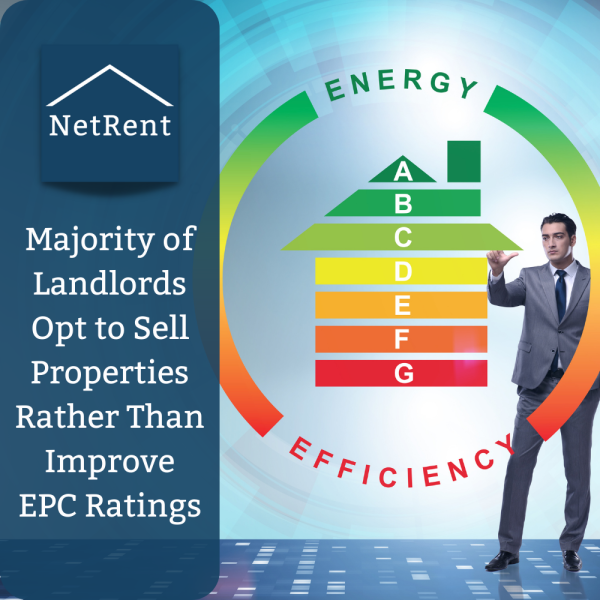
In a recent survey conducted by Green Building Renewables, it has been discovered that six out of 10 landlords in the UK are inclined to sell their properties rather than undertake necessary improvements to achieve higher Energy Performance Certificate (EPC) ratings by 2025. The study sheds light on landlords’ apprehensions regarding the impending EPC changes set to take effect from April 1, 2025.
Under the new regulations, the minimum EPC rating for new tenancies will be raised from E to C, with enforcement for existing tenancies commencing from April 1, 2028. Despite these looming deadlines, less than half of the landlords surveyed expressed feeling fully prepared for the forthcoming EPC alterations.
A staggering 69% of landlords admitted they would need to invest a minimum of £5,000 to upgrade each property to meet the new standards. Additionally, 68% of respondents expressed concerns about financing these upgrades, highlighting the financial burden this may pose for property owners.
Moreover, a significant 63% of landlords stated their intention to sell their properties instead of investing in energy-efficient measures, such as insulation, heat pumps, and solar panels. This sentiment was even more pronounced in the capital city, London, where three out of four landlords (75%) opted to sell their properties rather than invest in upgrades.
The survey also revealed that 62% of landlords were reconsidering the viability of retaining their properties due to the implications of the new regulations. The uncertainty surrounding the required changes has left many landlords questioning whether the effort and expenses are worthwhile.
Interestingly, while 80% of respondents were aware of the positive impact that solar installations could have on their property’s EPC rating, only 43% of landlords reported feeling fully prepared to implement such changes.
Chris Delaney, the Managing Director of Green Building Renewables, expressed concern over the survey results, calling them “startling.” He emphasized the significance of the landlords’ decisions, as approximately 80% of existing buildings are expected to still be in use by 2050. Delaney stressed that residential landlords play a crucial role in the nation’s responsibility to transform buildings and enhance their energy efficiency.
In response to the study’s findings, Housing Secretary Michael Gove suggested the possibility of “relaxing the pace” at which landlords are being compelled to comply with the EPC rules. He acknowledged that the proposed 2028 deadline for the new EPC regulations may be too demanding for landlords.
As the UK government and policymakers grapple with the implications of these survey results, the fate of many properties and their EPC ratings remains uncertain. Balancing the need for energy-efficient measures with the concerns of landlords will be a critical challenge in the coming years to ensure the nation’s progress towards a greener future.