

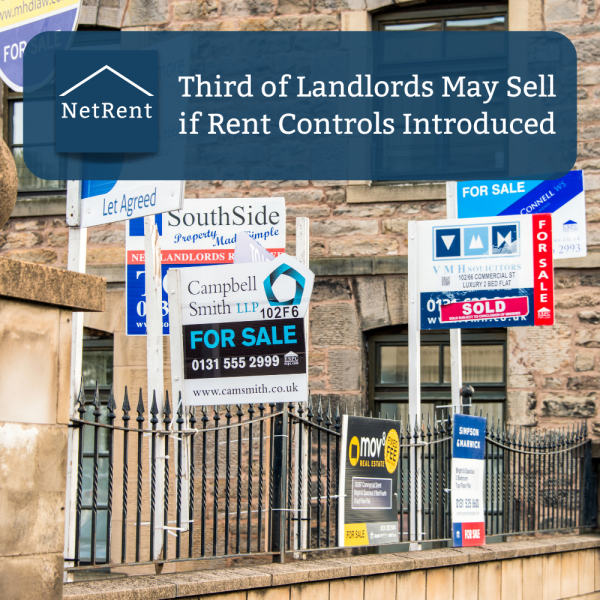
A recent survey conducted by YouGov on behalf of the National Residential Landlords Association (NRLA) has shed light on the potential consequences of implementing rent controls in certain areas. The findings indicate that over a third of private landlords may choose to sell their properties if local councils are granted the authority to regulate rents, both during and between tenancies.
According to the survey, a staggering 37% of landlords expressed their readiness to reduce their rental offerings should rent controls be enforced. The NRLA has voiced concerns over the implications of such a mass exodus from the rental market, particularly given the current surge in demand for rental homes.
Interestingly, while the Scottish Parliament has declared its intention to maintain “emergency rent controls” as long as the coalition of the Scottish National Party and the Green Party remains in power, the central UK Government has made it clear that it does not intend to introduce similar controls.
The divide over rent controls is not limited to political parties. Notably, London’s Mayor, Sadiq Khan, a member of the Labour Party, has championed the idea of rent controls in the capital, despite the former shadow housing secretary from the same party dismissing the concept. In Wales, a Labour-led government has released a Green Paper suggesting that further investigation into the possibility of rent controls is warranted.
The survey also highlighted that landlords’ reactions to rent controls could vary based on the type of controls implemented. These typically fall into three categories:
- First Generation Rent Controls: Rents are set at a fixed figure and remain unchanged.
- Second Generation Rent Controls: Rent increases are either tied to inflation or limited to a predetermined percentage.
- Third Generation Rent Controls: Landlords can determine rents for new tenancies with minimal constraints, but any increases within ongoing tenancies are regulated.
The NRLA reacted to the survey’s findings by expressing their long-standing concerns about the potential consequences of rent controls. They argue that such controls often lead to a reduction in the supply of rental homes, discourage landlords from investing in property improvements, and can result in tenants staying in properties for extended periods, making it harder for younger renters to find suitable homes.
In conclusion, the NRLA maintains its viewpoint that the implementation or maintenance of fixed rents may exacerbate the existing challenges in the rental market. With landlords facing difficulties in maintaining a viable business model, a significant number may choose to exit the rental sector, further complicating the already pressing issue of housing availability.