

In a heated parliamentary debate, MPs hailing from a spectrum of opposition parties have mounted considerable pressure on the government to reinstate recently reversed energy efficiency regulations for landlords. The changes, scrapped last month by Prime Minister Rishi Sunak, have ignited a fervent discussion about the implications for tenants and the environment.
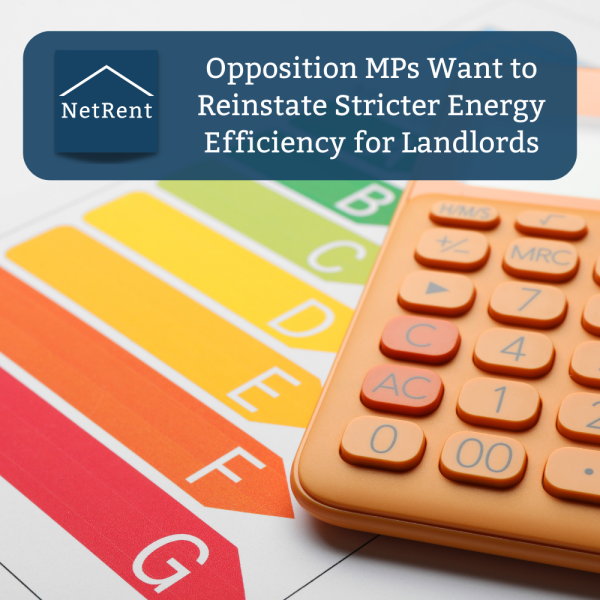
The proposed policy, which aimed to compel landlords to enhance the energy efficiency of their properties, especially concerning doors, windows, and insulation, had loomed over landlords for years. It sought to establish a minimum Energy Performance Certificate (EPC) rating of C or higher for rental properties by 2028, and even earlier in some cases.
Among those calling for a reversal of the government’s decision was Cat Smith, a former shadow cabinet minister during Jeremy Corbyn’s leadership, now a backbencher in the Labour Party. Smith remarked, “When I meet families who are renting from private landlords, I hear that their energy bills are far higher because of their doors and windows and how their roofs are leaky and not insulated. That rowing back on the standard in the private rented sector is costing families more.”
Caroline Lucas, a Green Party MP, also expressed concerns during the debate, citing advice from the Climate Change Committee that the changes would lead to renters paying an additional £300 per year. Lucas emphasized the financial repercussions of such policies, noting, “The Office for Budget Responsibility is clear that, as a result of the changes that are going to be made, our dependence on gas will cost us more.”
She further criticized the government’s financial commitments, saying, “If the Government really cared about hard-working families, they would not be handing Equinor £3 billion to develop the climate-wrecking Rosebank oilfield; they would be admitting that what the Secretary of State is doing is ripping up the climate consensus for short-term electoral calculation and populist right-wing propaganda.”
Liberal Democrat MP Wera Hobhouse chimed in, adding her voice to the call for stricter energy efficiency regulations. Hobhouse proposed an incentive-based approach, suggesting that landlords be allowed to offset spending on insulation against their income tax bills. She argued that such a measure would not only benefit tenants by providing them with more comfortable and energy-efficient homes but also incentivize landlords to participate in a comprehensive home insulation scheme.
However, the government remained resolute in its stance on the matter. Claire Coutinho, the Energy Security and Net Zero Secretary, rejected the suggestions, asserting that the government had abandoned the policy because it could have cost landlords up to £15,000 per unit.
Coutinho explained her government’s rationale, saying, “Asking families up and down the country to spend £10,000 on updating homes would have been passed on in rents and may have led to more shortages in the private rented sector.”
The parliamentary debate highlights the ongoing tension surrounding energy efficiency regulations for rental properties and the diverse range of opinions on how best to address this pressing issue.