

Labour Party members have voiced their apprehensions over the possibility that landlords may exploit new “grounds for possession” rules as a means of executing what is colloquially referred to as a ‘no fault’ eviction after the abolition of Section 21. These concerns come in response to the recently proposed Renters Reform Bill, which introduces a “new ground 1” permitting property reclamation by landlords when they require the property for themselves, a partner, or a relative.
According to the provisions outlined in the Renters Reform Bill, released on a Saturday, landlords seeking to regain possession for personal use would not be permitted to let or advertise the property for three months following the eviction. However, many Labour MPs argue that this three-month window is inadequate.
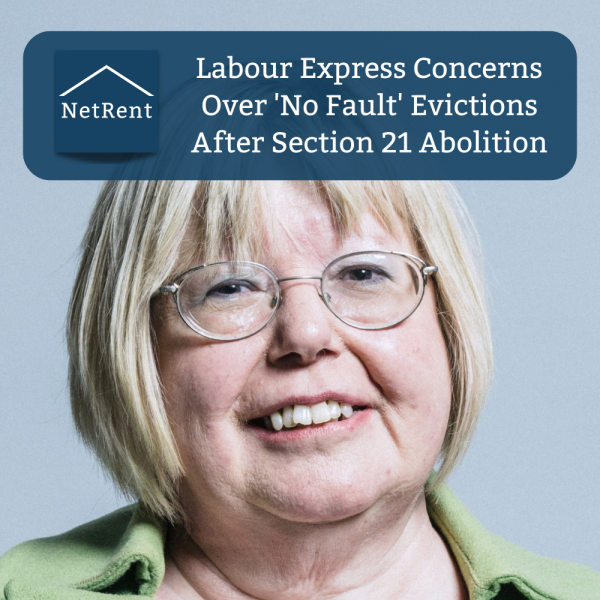
Liz Twist (pictured), the Labour Member of Parliament for Blaydon, commented on the matter, stating, “The new grounds for landlords to reclaim possession make it clear that they will be banned from re-letting their property for only three months after evicting a tenant. Given the current surge in rental costs, landlords might still find it financially advantageous to proceed with a repossession, unfortunately.”
John McDonnell, the MP for Hayes and Harlington and former shadow chancellor, echoed these concerns, adding, “Landlords will simply endure a three-month hiatus and subsequently re-rent the property.”
One of the factors contributing to the potential exploitation of these new rules is landlords’ reluctance to employ Section 8 evictions, which often entail a protracted legal process. Moreover, a lack of resources allocated to the courts, local authorities, and the Citizens Advice Bureau could further complicate the enforcement of these regulations, according to McDonnell.
He continued, “And to rely on the court system! We have to be honest with one another. The government has shuttered 300 county courts. The Justice budget witnessed a staggering 35% reduction over the past period. Additionally, if we are looking to local authorities for enforcement, nearly 20 local authorities are under section 114 notices, indicating they are financially strained and lack the personnel required for enforcement.”
McDonnell further noted, “To be frank, in many areas now, the lack of access to basic legal advice—not legal aid, but basic legal advice—from local law centres is non-existent. My citizens advice bureau, bless it, works diligently, but it is overwhelmed and unable to provide the scale of advice needed.”
The Renters’ Reform Bill also aims to streamline the process for landlords seeking to repossess properties in cases of anti-social behaviour by reducing the notice period required for an eviction. However, Angela Rayner, the shadow housing secretary, expressed her reservations, saying, “We are concerned that the changes to antisocial behaviour grounds are, as they stand, ambiguous and open to abuse. Mental health needs and domestic abuse are sometimes reported as antisocial behaviour, so that definition must be made more pragmatic and focused on genuine antisocial behaviour.”