

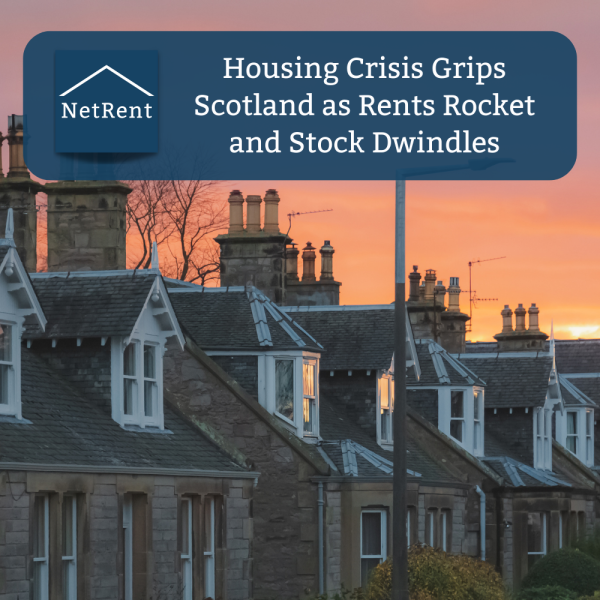
In recent months, Scotland has been embroiled in a housing crisis, with alarming phrases like “emergency” and “crisis” echoing from the perspective of renters, while landlords grapple with a “perfect storm” of financial pressures. The truth, it seems, lies in a confluence of factors, driving the nation’s housing market to a critical juncture.
Two weeks ago, Edinburgh officially declared a housing emergency, mirroring the stance taken by Argyll and Bute councils. Citing record homelessness, an acute shortage of social rental homes, and soaring private rental costs, Edinburgh highlighted its status as ground zero for the housing debate. Shockingly, approximately 5,000 households find themselves in temporary accommodation, marking the highest number in Scotland.
The impact of short-term lets on long-term rental availability has ignited debates across the country. Although the prevalence of Airbnb-style accommodations has surged, the underlying pressures on the housing system reveal a scenario with few clear winners.
Insights from local agencies further emphasize the severity of the situation. In Glasgow, Rosevale Letting reported an unprecedented surge in demand, receiving over 150 inquiries within 24 hours for a one-bedroom flat during peak summer periods.
Riccardo Giovanacci, founder of Rosevale, noted the dramatic increase in rental returns, highlighting a stark contrast from the market just a few years ago. Lack of rental stock emerges as a primary driver, compelling numerous landlords to exit the market, exacerbating the scarcity of available properties.
Hamptons, a residential estate agent, forecasts a substantial gap between homes sold by individual landlords versus those bought since 2016. While institutional investments attempted to fill the void left by private landlords, there remains a staggering 43% decrease in available rental properties compared to 2015.
Scotland’s temporary rent cap of 3% has triggered a record number of private landlords exiting the market, contributing to a diminishing pool of available homes for rent. Although rent control applies to existing tenants, landlords exploit loopholes by raising rents substantially for new tenancies, surpassing the growth rates seen elsewhere in the UK.
Recent data from Zoopla underscores the dire situation, revealing an average rental increase of £90 or 12.8% in Scotland year-over-year. Notably, Edinburgh, Dundee, and Glasgow witnessed the highest spikes in rental prices, intensifying the affordability crisis for tenants.
The impact of licensing short-term lets is redirecting some landlord investments from Edinburgh to burgeoning areas like Tayside. Marcus Di Rollo of Gilson Gray sees potential in Dundee, projecting it as Scotland’s new “buy-to-let capital” due to lower entry barriers and promising yields.
Despite Glasgow having recorded higher average rental growth over five years, both Edinburgh and Glasgow have seen substantial increases over a decade, further amplifying the affordability crisis for renters.
With private renters now allocating a record 28.4% of their earnings toward housing, affordability continues to plummet, leaving individuals with limited disposable income after covering basic expenses.
While rent control in Scotland attempted to shield tenants, the broader need for an expanded pool of affordable social housing remains a critical solution. The housing market, still reeling from the repercussions of the “right to buy” surge in the 1980s, urgently requires substantial replenishment to address the ongoing crisis.