

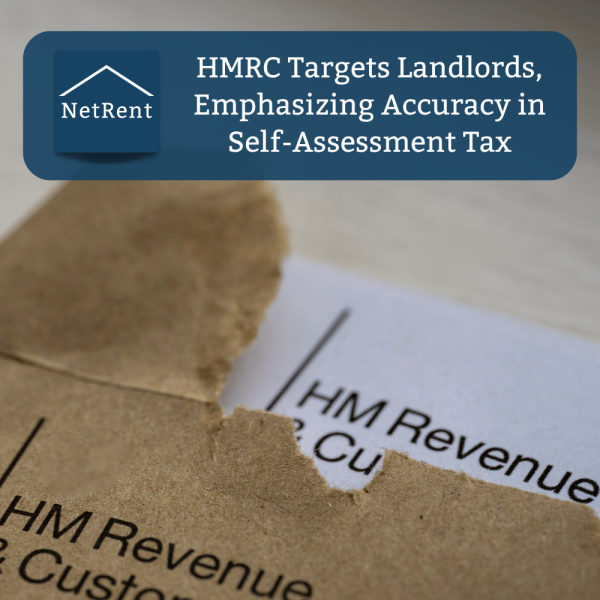
As the January 31 deadline for self-assessment tax returns approaches, residential landlords are urged to meticulously submit their financial details to avoid potential issues and minimize their tax liabilities. The HMRC is reportedly intensifying its focus on this sector, making precision in declarations crucial, according to insights from accountancy firm BDO.
Landlords must ensure the accurate declaration of all income, particularly profits derived from renting out residential and holiday properties. While both UK and overseas holiday rentals are subject to taxation, furnished holiday lettings enjoy additional tax benefits compared to standard residential properties.
Since the replacement of full tax relief on mortgage interest with a 20% tax reduction, landlords in higher tax bands have been exploring strategies to mitigate their tax burdens. One option is transferring properties to a limited company, but experts emphasize the need for careful consideration due to associated pros and cons.
Expert Advice: Capital Gains Tax Implications for Property Incorporation
Incorporating a rental property into a company may trigger capital gains tax (CGT) on the transaction, a consideration often overlooked. HMRC has been issuing “nudge” letters to individuals who did so in the 2017-18 tax year without declaring gains, signalling a potential crackdown. Heather Powell, head of property and construction at Blick Rothenberg, suggests that those who undertook property transfers in subsequent years should review their circumstances, as they may also receive such correspondence.
While the current “nudge” letters are less emphatic about tax obligations, they strongly suggest that HMRC is scrutinizing buy-to-let landlords for potential under-declaration of taxes, Powell explains.
Property Sales and Tax Obligations
Landlords who recently sold properties, possibly prompted by rising mortgage costs, must complete a land return and settle any due tax within 60 days. If a tax return is also required, the property sale details, along with payment reference information, should be included.
Maximizing Tax Reliefs Amid Changing Landscape
With buy-to-let investments becoming less tax advantageous, landlords are encouraged to capitalize on available tax reliefs. Allowable expenses that can be deducted from rental income include maintenance and repairs, insurance, bills paid directly, letting agent fees, accountant fees, and service costs like gardening and cleaning. However, capital expenditures for property improvements are not eligible for deduction, though they may impact capital gains tax calculations upon property sale.
Landlords with rental income below £1,000 before expenses are exempt from taxes. If income exceeds this threshold but allowable expenses are less than £1,000, landlords can claim a flat-rate £1,000 property allowance deduction instead. Additionally, the “rent a room scheme” allows tax-free earnings of up to £7,500 per year for those letting furnished rooms in their homes, provided they don’t claim both rent-a-room relief and the property allowance for the same property income.