

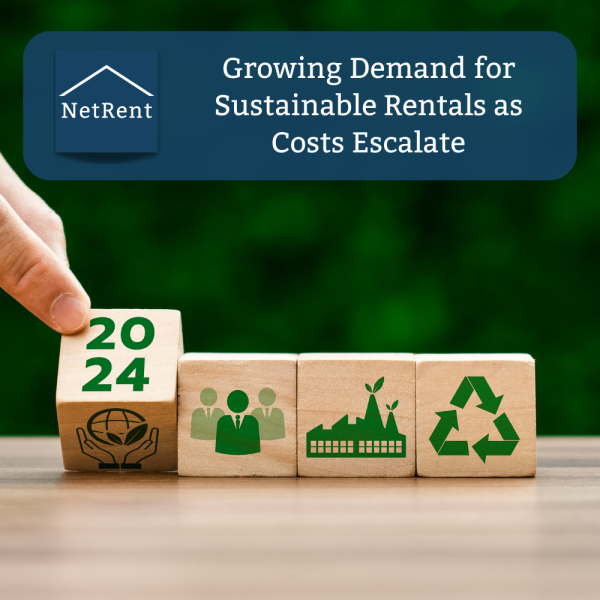
Recent revelations from NatWest and S&P Global have unveiled a compelling trend among UK renters, with a staggering 75% urging landlords to adopt sustainable measures in response to mounting rental expenses. The call for eco-friendly enhancements reflects both a rising apprehension about increasing monthly payments and a growing desire for green initiatives to alleviate financial pressures.
NatWest’s Greener Homes Attitudes Tracker has played a pivotal role in illuminating the shifting preferences of home renters and buyers towards environmentally friendly features and energy-saving upgrades. The tracker underscores that renters not only grapple with continuous hikes in monthly expenses but also anticipate further increases, with 63% expecting their costs to rise in the coming year. Of these, a resounding three-quarters advocate for landlords to incorporate eco-friendly improvements in their properties.
A notable gap exists in property insulation, with rental homes lagging behind owner-occupied residences in aspects such as tank and pipe insulation (42% compared to 58%) and cavity wall insulation (also 42% compared to 58%).
While homeowners are also contemplating sustainable modifications, financial constraints and potential disruptions emerge as significant obstacles. About 20% of homeowners plan green upgrades within the next year.
The financial strain of energy bills is under scrutiny, with data from the final quarter of 2023 revealing that nearly a quarter of households with both mains gas and electricity spend between £100-£149 monthly on energy bills. This translates to an annual expenditure of £1,200-£1,788, equivalent to around 21 Netflix subscriptions. Another 18% of households fall into the £150-£199 monthly bracket, resulting in £1,800-£2,380 per year.
Additional findings from the tracker highlight a perception that the UK Government is sluggish in facilitating the green energy transition, echoed by over half of the respondents. On a positive note, the past year has witnessed an increase in environmentally conscious practices such as regular use of public transport and clothing recycling through platforms like Vinted or Depop. Solar panel interest varies regionally, with London leading the way.
In response to these trends, NatWest has introduced the Home Energy Hub. This platform aims to help homeowners comprehend their home’s carbon footprint and the necessary steps for sustainable alterations, offering financing options. The Home Energy Hub addresses common challenges, including locating reliable local contractors, understanding financing options, and features an affordability calculator.
Lloyd Cochrane, Head of Mortgages at NatWest, underscores the significance of this initiative: “Cost and disruption continue to be major barriers for homeowners looking to make sustainable changes to their homes. We’ve also seen from the latest data that renters are increasingly calling for landlords to address the energy efficiency of their properties. The Home Energy Hub is our solution to help homeowners navigate these challenges more efficiently.”