

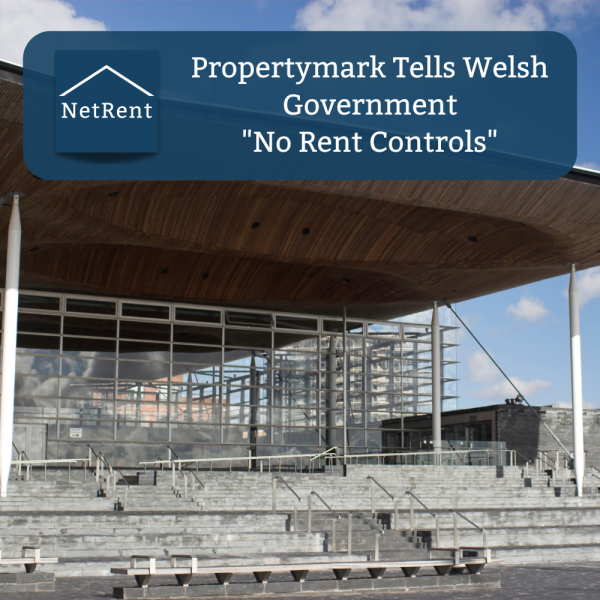
In recent years, the debate surrounding housing in Wales has intensified, with issues ranging from rent affordability to the quality of rental properties. Amidst this discourse, Propertymark, a leading voice in the property industry, has submitted recommendations to the Welsh Government, advocating for a balanced and holistic approach to address these challenges.
One of the primary recommendations put forth by Propertymark is the introduction of a right to adequate housing in Wales. Acknowledging the intrinsic link between housing adequacy and fair rents, Propertymark emphasizes the importance of raising standards and fostering closer collaboration between local governments, landlords, and their agents. However, it is crucial to note that Propertymark does not support rent controls, citing concerns about exacerbating financial strain on landlords amidst unprecedented costs.
Central to Propertymark’s submission is the recognition that high rents stem from a fundamental imbalance between demand and supply. As such, efforts to enhance the supply of Private Rented Sector (PRS) homes are paramount. Alarmingly, despite increasing demand, only a small fraction of landlords express intentions to expand their portfolios. Propertymark’s research underscores this trend, revealing a concerning decline in new investors entering the PRS market.
To address these challenges, Propertymark proposes three key actions for the Welsh Government:
- Exemption of landlords from the 4% Land Transaction Tax Levy on additional home purchases, provided they are utilized for long-term residential letting.
- Conducting a comprehensive review of all taxes pertinent to private landlords, with the aim of reducing financial burdens and incentivizing investment in the PRS.
- Providing financial support, such as grants and loans, to landlords for upgrading the energy efficiency of their properties, aligning with broader sustainability goals.
Moreover, Propertymark emphasizes the critical role of accurate data and evidence in informing effective policymaking. To this end, Propertymark advocates for the establishment of a Welsh housing survey modelled on its English counterpart, enabling policymakers to make informed decisions based on robust empirical insights.
Beyond addressing immediate housing concerns, Propertymark underscores the importance of fostering a vibrant PRS as part of a holistic housing strategy. While acknowledging the potential of build-to-rent initiatives, Propertymark emphasizes the necessity of diverse housing stock to cater to the multifaceted needs of Wales’ population, including its growing elderly demographic.
Furthermore, Propertymark highlights the PRS’s role in providing housing for vulnerable individuals and those at risk of homelessness. To incentivize private landlords to support social housing initiatives, Propertymark recommends that local authorities consider offering incentives such as grants, loans, or council tax rebates.
Regarding regulation, Propertymark acknowledges the strides made by Rent Smart Wales (RSW) but proposes enhancements to improve its effectiveness. Key recommendations include enhancing RSW’s accountability and extending training requirements for letting agents to ensure a skilled and qualified workforce.
In conclusion, Propertymark’s submission to the Welsh Government offers a comprehensive roadmap for addressing housing challenges in Wales. By advocating for a multifaceted approach encompassing standards improvement, supply enhancement, and regulatory refinement, Propertymark endeavours to foster a housing landscape that is equitable, sustainable, and conducive to the well-being of all residents.