

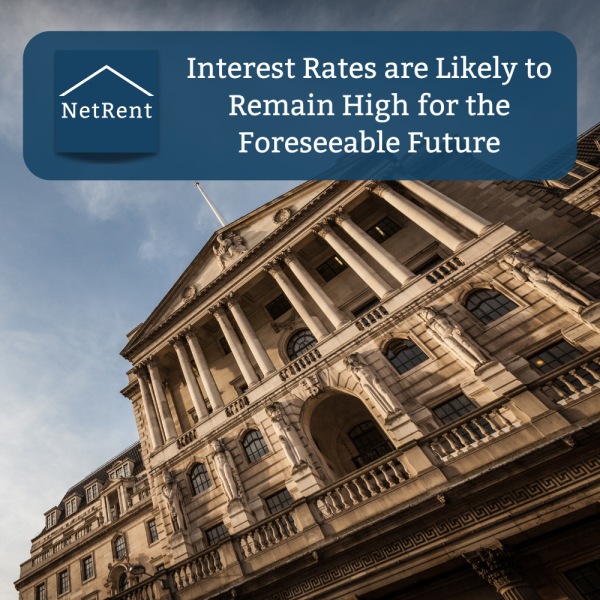
As the economic landscape continues to shift, anticipation brews over the upcoming inflation figures set to be released this week. Despite promising news of inflation expected to drop to 2% in the second quarter, the consensus among experts suggests that interest rates are likely to remain high for the foreseeable future.
The Office for Budget Responsibility and the Bank of England have both voiced their expectations for inflation to reach the coveted 2% mark within the next couple of months. Wednesday’s official inflation report is anticipated to align with these projections, signalling a positive trajectory. However, analysts caution against expecting swift rate cuts from the Bank of England before June.
Sarah Coles, head of personal finance at Hargreaves Lansdown, paints a vivid picture of the current economic scenario: “Like a helium balloon trapped in the rafters of a village hall, inflation is gradually becoming less evident as time goes on.” This analogy underscores the gradual decline in inflationary pressures, attributed in part to the fading impact of sky-high inflation figures from the previous year.
While certain items in the consumer basket may experience price reductions, factors such as geopolitical tensions and supply chain disruptions continue to exert upward pressure on prices. The divergence in forecasts between the Bank of England and the Office for Budget Responsibility regarding post-2% inflation trajectories further complicates the economic outlook.
Moreover, the resurgence of consumer and business confidence raises the spectre of increased spending, potentially fuelling inflationary pressures. This global trend of unexpectedly high inflation in recent months underscores the uncertainty surrounding future projections.
In light of these factors, market sentiment leans towards a cautious approach from the Bank of England, with expectations of maintaining current interest rates until at least June. This stance reflects a prudent strategy amidst the delicate balance of economic indicators and potential risks on the horizon.
As investors and consumers alike navigate these uncertain waters, staying informed and adaptable is paramount. Understanding the nuanced interplay between inflation, interest rates, and broader economic forces can empower individuals to make informed decisions in an ever-evolving financial landscape.