

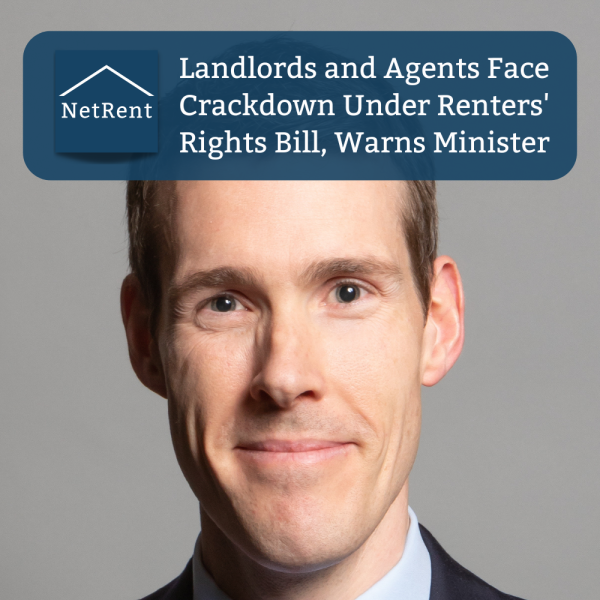
Housing Minister Matthew Pennycook has issued a stark warning to landlords and letting agents, stating that they will not be able to circumvent the forthcoming Renters’ Rights Bill. Under the new legislation, landlords found guilty of discrimination against tenants could face fines of up to £7,000.
In an interview with The i newspaper, Pennycook emphasized that the Bill will bring an end to rental bidding wars, a practice where landlords pit tenants against one another to drive up rents. “Landlords in competitive rental markets have been playing renters off each other, seeing who can offer the highest amount of rent,” Pennycook said. “That’s wrong, and it has to stop. Landlords should clearly state the rent they expect, and if a tenant offers it, that offer should be accepted.”
The Labour government is also set to enforce a decent homes standard in the private rental sector for the first time and ban Section 21 “no-fault” evictions. While Pennycook acknowledged there is no firm date for the abolition of Section 21, he hopes it will be scrapped by next year.
Court Delays ‘Overstated’
Addressing concerns from landlords about delays in the court system, Pennycook suggested fears are overblown. He assured renters that challenging a rent increase would not result in accumulating arrears. “We will not tie reform to a subjective assessment of court readiness, as the previous government did,” Pennycook said. “While we recognize there are pressures, the idea that every Section 21 eviction will lead to a flood of Section 8 possession orders is exaggerated.”
Discrimination Penalties to be Toughened
A key focus of the Renters’ Rights Bill will be tackling discrimination in the rental market. Pennycook pointed out that while discrimination against tenants with children or those on benefits is already illegal, it continues to happen. The new legislation strengthens existing protections and introduces fines for landlords and agents found guilty of discriminatory practices.
“In theory, discrimination is already outlawed, but we still see instances of landlords saying, ‘No DSS’ or rejecting families,” said Pennycook. “Our message is clear: these practices are unacceptable, and we will clamp down on them.”
Stronger Protections Against Eviction Loopholes
The minister also pledged that the new grounds for possession included in the Bill would not be abused. One major change is extending the period landlords must wait before re-letting a property after claiming they need it for personal use or sale—from three months to 12 months. “We want to ensure these provisions are used for genuine reasons, not as a backdoor method to evict tenants,” Pennycook said.
Limited Rent Increases
Under the new legislation, landlords will only be allowed to raise rents once a year, and only to match market rates. Tenants will have the right to challenge rent increases they deem unreasonable, with the Tribunal deciding if the rise is fair. Importantly, Pennycook clarified that tenants who contest a rent hike will not be penalized with arrears.
“The Tribunal can’t award a rent higher than what the landlord is asking for,” Pennycook explained, adding that measures are in place to prevent tenants from being financially burdened while waiting for a Tribunal decision.
As the Renters’ Rights Bill moves closer to becoming law, Pennycook’s comments underscore the Labour government’s commitment to addressing long-standing issues in the private rental sector, from ending rental bidding wars to bolstering tenant protections.