

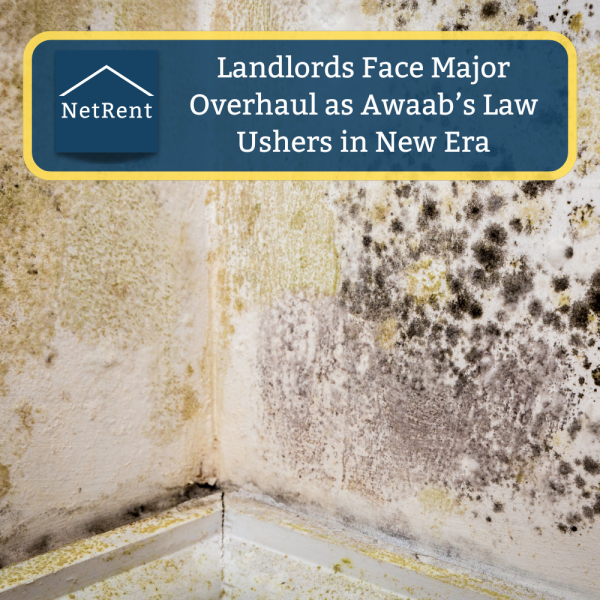
The UK’s rental sector is on the cusp of its most significant regulatory shake-up in decades as Awaab’s Law—named after two-year-old Awaab Ishak, whose tragic death from mould exposure in a social housing flat shocked the nation—enters into force in October 2025.
Under the landmark legislation, social housing landlords will be legally bound to strict new standards: investigate complaints about damp and mould within 14 days, issue written findings within 48 hours, and begin repair work within seven days. In cases of emergency hazards, action must be taken within 24 hours or tenants relocated. Non-compliance could result in legal proceedings and hefty fines.
Extending to the Private Sector
Housing Minister Matthew Pennycook has confirmed that the government will use the forthcoming Renters’ Rights Bill to extend the law’s protections to the private rented sector. “We are taking a step-by-step approach to strengthen the law and ensure landlords are held accountable for all dangerous hazards by 2027,” he said.
Deputy Prime Minister Angela Rayner added a blunt warning: “Landlords can’t be allowed to rent out dangerous homes and shamelessly put the lives of their tenants at risk.”
The Cost of Delay
Damp and mould are more than just unpleasant—they’re increasingly being recognised as serious threats to tenant health and landlord liability. Exposure has been linked to respiratory conditions such as asthma and bronchitis, with growing public awareness prompting a rise in legal claims averaging £5,000 per case. The cost of repairs alone can range from £500 to £10,000 per property.
Until now, landlords and tenants alike have struggled with slow remediation and a lack of reliable data. Awaab’s Law aims to end the delays by enforcing strict timelines and holding landlords to account.