

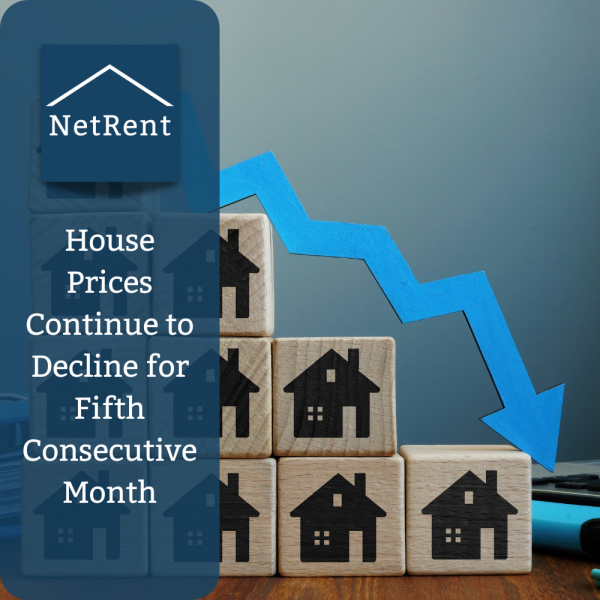
In a troubling development for the housing market, the average house price in May 2023 witnessed a decline of £814, or -0.2%, according to the latest data from e:surv. This marks the fifth consecutive month of falling prices, resulting in a total reduction of £6,000 in 2023 alone.
Richard Sexton, the director of e.surv, emphasized the significance of this ongoing trend, stating that while the decrease itself may not be drastic, it highlights a concerning pattern. He noted that in 2022, house prices experienced a substantial average gain of £23,250, representing nearly 50% of the overall average increase since 2020, which amounted to £58,000.
Sexton sought to provide some reassurance to those anxious about negative equity, pointing out that the housing market’s resilience is supported by the insufficient construction of new homes and a robust employment sector. However, he cautioned that the persistently high inflation poses a significant challenge, potentially leading to stagflation—a combination of stagnant economic growth and soaring prices—a risk that looms over the UK economy. Anticipating further interest rate hikes, Sexton explained that this would impact affordability due to higher mortgage rates.
Highlighting the impact of inflation thus far, Sexton referred to the average interest rate on a two-year fixed rate mortgage, currently surpassing 5.5% based on a 75% Loan to Value ratio. He warned that the mortgage market is factoring in an imminent rise in the Base Rate, likely to hinder many individuals attempting to move homes during what is traditionally a bustling period in the housing market. Looking ahead, market projections indicate that the Bank of England’s base rate could peak at just over 5% by the end of 2023.
Sexton argued that affordability, coupled with a scarcity of suitable properties, now serves as the primary force shaping the housing market. He maintained that unless there is intervention from the government, house price inflation will likely continue to decrease, albeit moderately. In light of these circumstances, he predicted cautiousness among buyers and a decrease in sellers’ ambitious pricing.
According to the e-surv index, the average house price still remains £7,360 higher than it was twelve months ago. In England and Wales, the average price stands at £373,066, representing a 0.2% drop from April but a 2% annual increase. The North East takes the lead among regions, boasting a growth rate of 5.3%.