

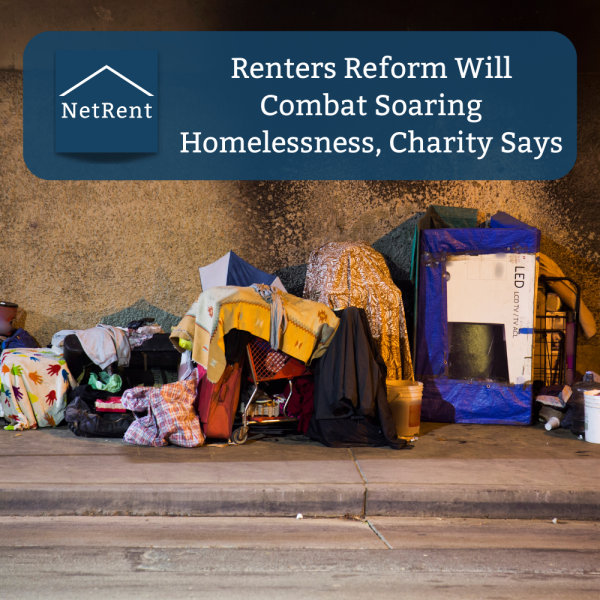
The Renters Reform Bill, poised for its Second Reading in the Commons next week, is emerging as a potential game-changer, according to Crisis, a leading national homelessness charity.
Staggering Rise in Section 21 Notices
New figures released by the Department for Levelling Up, Housing and Communities indicate that the need for such legislation is pressing. In the past year alone, 24,260 households faced the daunting prospect of eviction through Section 21 notices, marking a disconcerting 22 percent surge compared to the preceding year. The bill, if enacted, could be a significant lifeline for these vulnerable households.
Landlords’ Impact on Homelessness
The situation becomes even more concerning as 42,110 households sought assistance due to the intention of their landlords to re-let or sell their property, marking a worrisome 28 percent increase. This alarming trend, Crisis points out, represents the highest levels recorded since the Homelessness Reduction Act was introduced in 2018.
Crisis contends that the termination of private rented Assured Shorthold Tenancies has now emerged as the primary driver of homelessness, impacting a staggering 74,500 households or 24.9 percent of those seeking support—an alarming 27.3 percent surge from the previous year.
Local Councils Struggling to Cope
The figures provided by DLUHC reveal that 298,430 households sought assistance from their local councils due to homelessness or the threat of homelessness, reflecting a seven percent year-on-year increase and a three percent jump from pre-pandemic levels.
Employed but Homeless
A concerning trend unveiled by the data is the nine percent increase in the number of households currently homeless who are in full or part-time employment, underlining the severity of the issue.
Call for Political Commitment
With an election on the horizon, Crisis is strongly urging the Westminster government and all political parties to commit to a comprehensive plan to tackle homelessness. Matt Downie, Chief Executive of Crisis, emphasized the urgency of the situation, stating, “Record numbers of households are facing homelessness from the private rented sector because of the Westminster government’s failure to get a grip on our crumbling housing market. Through our services, we see day in, day out the emotional and financial toll that comes with having no secure roof over your head. With little to no affordable housing to go around, we’re seeing thousands trapped in temporary accommodation like nightly paid B&Bs and hostels that cost billions and don’t provide people with a secure place to rebuild their lives.”
A Multi-Pronged Approach Needed
Mr. Downie stressed the need for immediate action, saying, “With an election looming, it’s time for the government to face up to this mounting crisis and bring in the protections it promised renters in the Renters Reform Bill more than four years ago. Alongside this, we must see investment in housing benefit at the [November] Autumn Statement so we can stop people from becoming homeless in the first place. But ultimately, we need a plan to build more social housing if we’re going to end homelessness once and for all.” The call for government intervention and the Renters Reform Bill comes at a crucial juncture when homelessness in the UK reaches alarming heights, demanding immediate attention and comprehensive solutions.