

Industry Survey Highlights Widespread Concerns
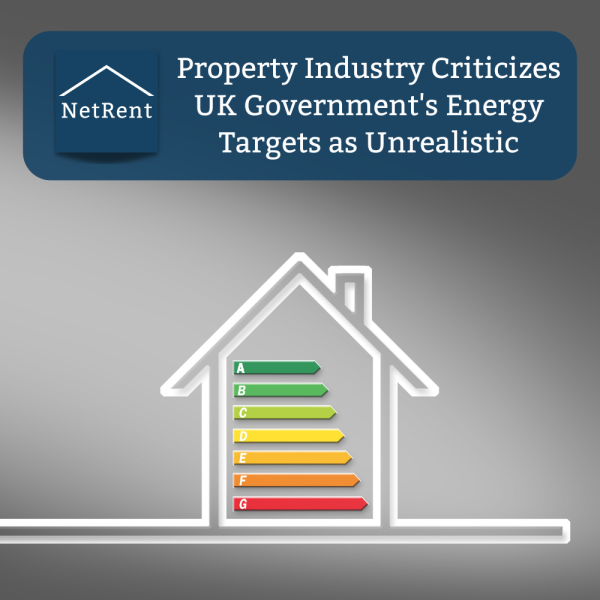
A recent survey of property professionals, including surveyors, landlords, investors, and developers, has cast serious doubts on the UK government’s Energy Performance Certificate (EPC) target, deeming it unachievable. The mandate, unveiled in July, requires rental properties to achieve an EPC rating of C by 2030, a goal many in the industry consider unrealistic.
Industry Leaders Voice Feasibility Concerns
The survey, conducted by the property consultancy Landwood Group, gathered opinions from 21 key industry figures, with nearly all agreeing that the government’s target is unattainable. Mark Bailey of Landwood Group, who led the survey, voiced significant concerns about the initiative’s practicality, saying, “This so-called ‘green’ initiative might look good on paper, but it’s built on shaky foundations.”
Bailey emphasized the challenges faced by older private rental properties, which would require substantial upgrades to meet the new standards. “The focus on improving modern social housing overlooks the vast majority of Britain’s private rental properties, which are ageing and would require significant, costly upgrades to meet the EPC C standard,” Bailey added.
Financial Strain Looms Over Landlords
For many landlords, achieving an EPC C rating seems nearly impossible without a considerable financial outlay. Previously, government subsidies helped offset the costs of upgrades such as heat pumps and insulation. However, with the removal of these incentives, landlords are now left with few options. Bailey warned, “Now, landlords have little choice but to sell or raise rents to cover these high costs.”
This has reportedly led to an increase in landlords selling their properties, either individually or in large portfolios, as they grapple with the new requirements.
Potential Fallout for Tenants and the Housing Market
The impact of this policy could extend beyond landlords, with tenants potentially facing fewer housing options and higher rents. Bailey cautioned, “As landlords are forced out of the market, tenants will face fewer housing options and higher rental prices.” While acknowledging the importance of energy efficiency, especially amid rising energy costs, Bailey stressed the need for the government to address the broader housing crisis.
He concluded, “The government needs to tackle the housing crisis before imposing such stringent requirements. As it stands, this policy risks doing more harm than good.”
As the 2030 deadline looms, the tension between environmental goals and housing affordability is likely to escalate, raising critical questions about how best to balance these competing priorities.